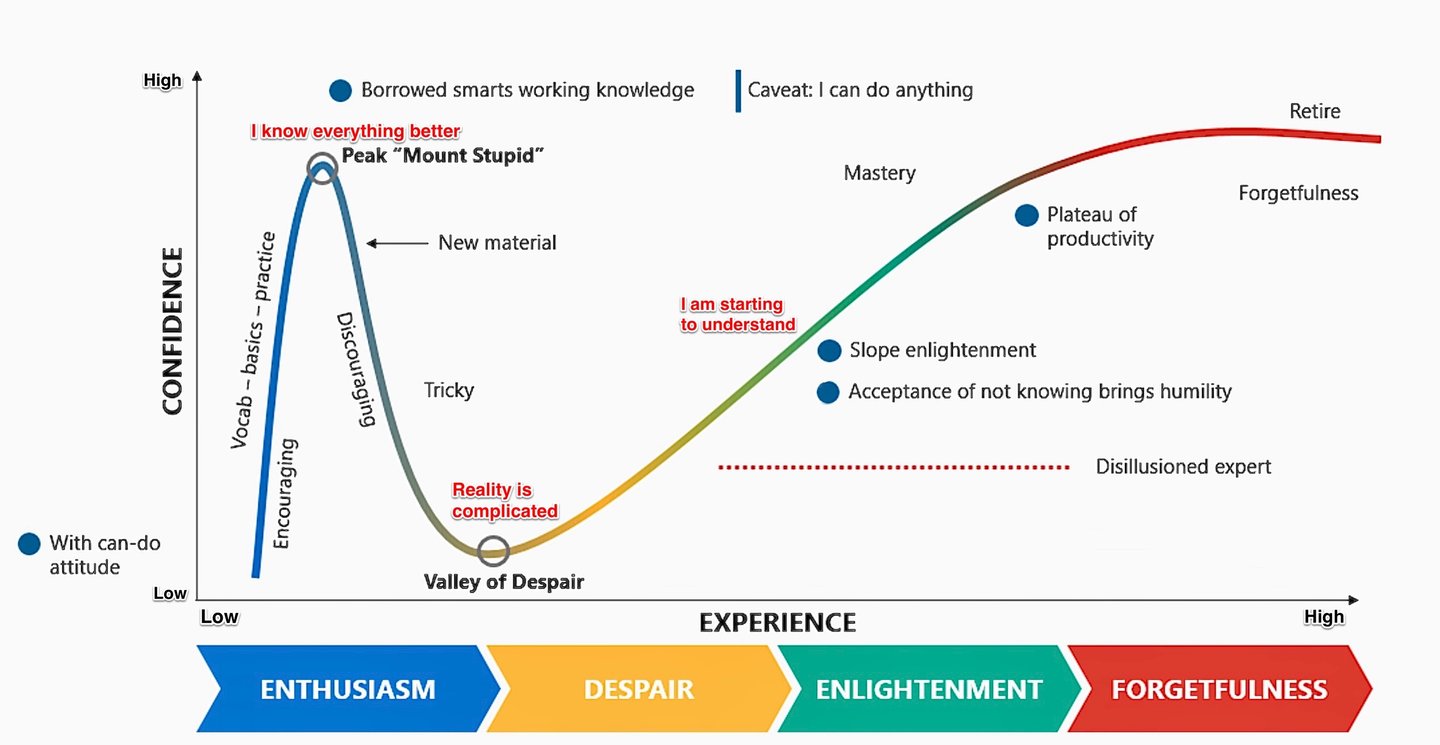

The Myth of Downloading Funds
The myth of downloading vast sums of money from the cloud, purportedly from virtual servers or screens displaying fanciful colors and numbers, has captivated the imaginations of many, particularly within the shadowy fringes of the internet. These myths not only misconstrue how modern finance works but also prey on the public’s limited understanding of digital currencies, blockchain technology, and the banking system’s infrastructure. To fully grasp why these ideas are fraudulent, one must first examine how funds actually function in today’s digital economy, and why the concept of "cloud funds" remains a misguided and often dangerous fallacy.
Understanding the Nature of Digital and Fiat Money: Separation from the Cloud
Money, whether fiat or digital, is rooted in specific legal, institutional, and technological frameworks. Fiat currencies like the US dollar, the euro, or the yen are issued and regulated by central banks within sovereign nations. This money exists either in physical form (cash, coins) or as digital entries within the highly secure ledgers of regulated banks and financial institutions. These digital entries correspond to real assets—whether tangible or intangible—and are subject to strict regulatory oversight.
Digital money is not held in some virtual ether where it can be downloaded at will. Every transfer, payment, or exchange must pass through legal and verifiable channels. Funds are only moved from one account to another within a complex web of interbank clearing systems, overseen by regulatory bodies like the central banks or organizations like SWIFT (Society for Worldwide Interbank Financial Telecommunication) and the BIS (Bank for International Settlements). These systems operate based on checks, balances, and sophisticated encryption protocols designed to prevent fraud, maintain transparency, and ensure financial stability.
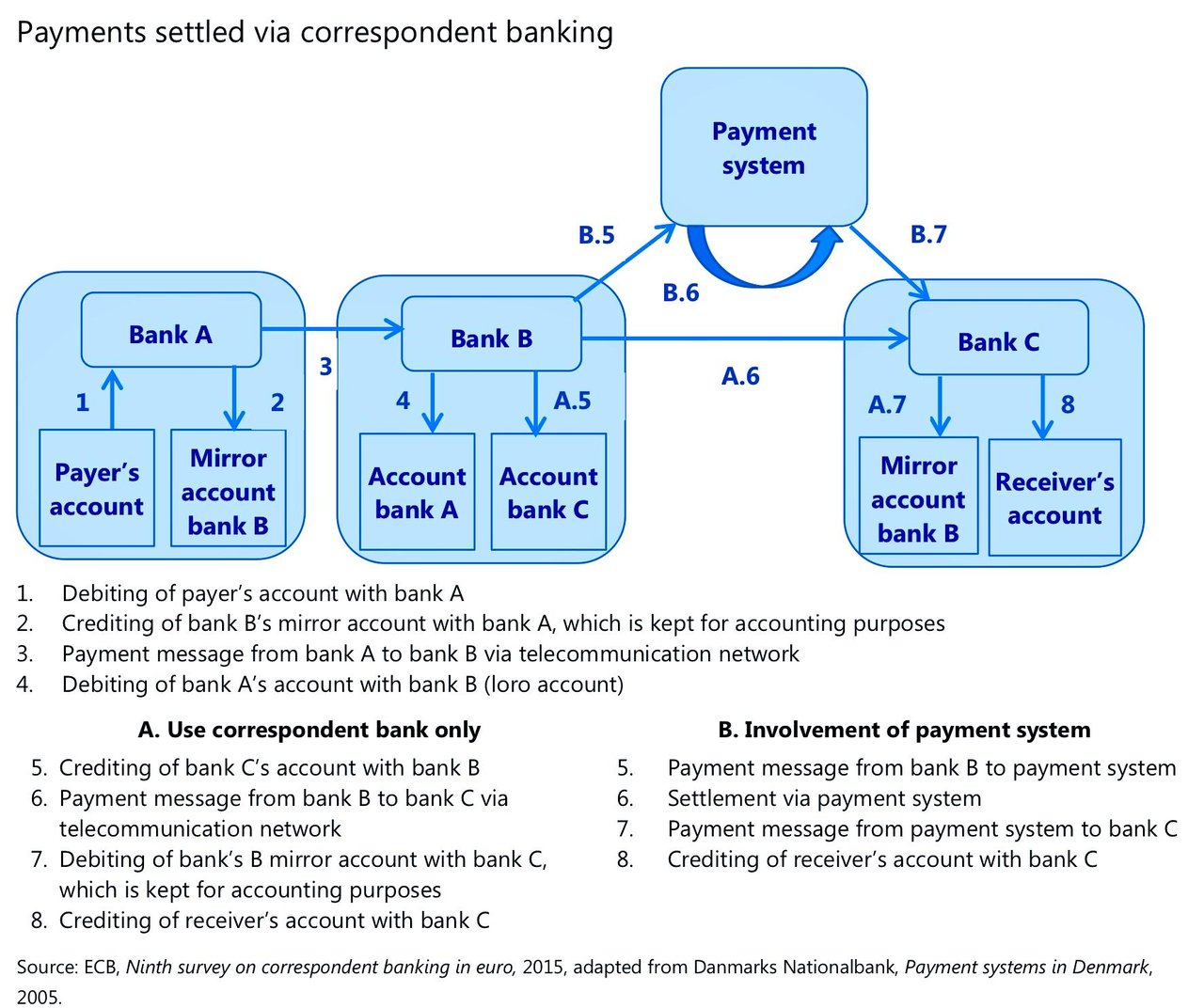
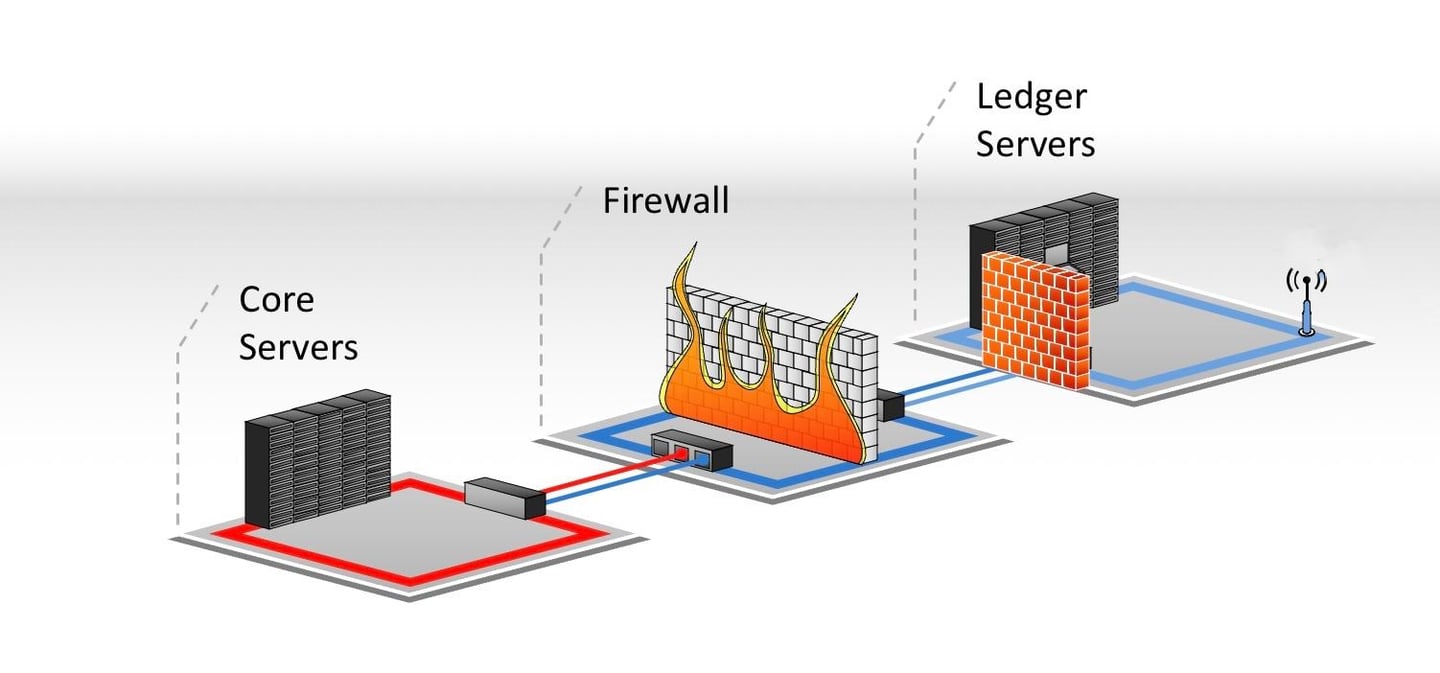
To claim that money can be downloaded from the cloud through an external “server” is to fundamentally misunderstand the infrastructure of the banking system. Financial systems require that all money be tied to identifiable accounts within accredited institutions. Each transaction, no matter how digital, still involves an exchange from one account to another and the transaction is recorded in a ledger-server that complies with financial regulations and is concealed from the exterior.
Cloud Technology vs. Financial Infrastructure: Understanding the Difference
Cloud technology, used extensively by various industries, provides storage and computing power. However, it is not where money itself resides. Banks may utilize cloud services for secure data management, but this is far from the idea that actual funds exist within these clouds as downloadable entities. Banks, especially central banks, leverage highly secure data centers, many of which are distributed across physical locations, but these systems only hold *records* of transactions, not the money itself in a form that can be "downloaded" or "transferred" by external parties.
The false belief in downloading money stems from a misinterpretation of how digital assets, cloud computing, and banking infrastructure work. While banks may store transaction data on cloud-based servers, these servers only host information about transactions, accounts, and balances, not the actual money, which still resides within institutional frameworks.

Can Funds Be “Downloaded” from a Card, Bank Account, SWIFT or DTC, etc.?
The illusion: treating money like a computer file
A fraudster displays a balance on a website, in a cloud folder, on a bank-like screen or in a document. The proposed transaction then sounds deceptively simple: provide a receiving account, appoint a banker with “download capability”, and retrieve the funds much as one would retrieve a file from OneDrive or Dropbox.
The screen may be elaborate. It may show an account number, card number, transaction reference, SWIFT message, securities identifier, access code or amount running into the billions. None of these elements gives the viewer a right to the money shown. Some may describe a genuine account or transaction; others may be wholly fabricated. In either case, copying the information does not transfer the underlying asset.
A file can be downloaded because it consists of data. A bank balance is an entry in the books of an institution that owes money to its account holder. To change who controls that claim, the relevant institutions must process an authorised transaction under an applicable payment or settlement arrangement. A receiving bank cannot create an enforceable credit merely by importing a screenshot, message or database record.
The partial truth fraudsters use: “Banks can debit accounts”
Fraudsters often invoke a real banking practice. They argue that because a merchant can charge a card or a creditor can collect a direct debit, a specially equipped “receiver” can debit an identified source account and download its balance.
That argument omits the essential conditions. A debit is an entry made by the institution controlling the account, following an instruction or collection processed under defined rules. The party seeking payment needs a valid basis for the transaction and access to an appropriate, regulated channel. The account-holding institution applies its controls. The payment may be declined, returned, disputed or reversed under the applicable rules.
A debit mechanism is therefore not a general right to take funds from any account whose details are known. An IBAN identifies an account for payment routing. A card number identifies a payment credential. A SWIFT reference helps identify a message or transaction. None is a password that lets an unrelated person extract the account’s balance.
This distinction matters even when a proposed “download” uses the language of a real payment service. The proper question is not, “Does a debit mechanism exist?” It is: Who authorised this specific debit, which institution may submit it, what rules govern it, and which institution will actually debit and credit the relevant accounts?
What a genuine account debit looks like
In a conventional bank transfer, the account holder instructs its bank to pay a specified beneficiary. The bank authenticates the instruction, performs its checks and processes the payment through the relevant system or correspondent arrangements. The receiving bank credits its customer when the payment is received and its own conditions for posting are met.
In a direct debit, the direction of initiation differs: the creditor submits a collection. That does not remove the payer’s authority from the process. Under a scheme such as SEPA Direct Debit, the payer gives the creditor a mandate to collect payments from a designated account. The creditor submits collections through its payment service provider; the payer’s payment service provider processes the resulting debit under the scheme rules. SEPA Core and SEPA Business-to-Business have different mandate checks and refund rules.
For example, if a company owes a supplier €10,000 and has given an applicable direct debit mandate, the supplier may submit a €10,000 collection through its bank. The supplier does not gain access to the company’s online banking, select another amount from a displayed balance or copy the account’s funds to its own server. The collection is a specified payment routed between payment service providers. It can fail or be challenged under the relevant rules.
Unauthorised collections can occur. They are payment fraud or errors subject to investigation and applicable remedies. Their existence does not establish a lawful method for “downloading” money from strangers’ accounts.
Why a credit or debit card is not a container of funds
A debit card gives access to payment services linked to an account. A credit card ordinarily gives access to credit extended by its issuer, subject to the cardholder’s agreement and available credit. The card itself is neither a storage device containing the account balance nor a portable claim that a third party can empty at will.
A genuine card transaction involves identifiable roles. A merchant or other authorised payment participant submits a transaction through its acquiring arrangements. The issuer decides whether to approve the authorisation request. Clearing and settlement then follow the applicable network rules.
Authorisation, clearing and settlement are distinct events: an approval response is not a file containing money, and a screen showing an approval is not independent proof that a merchant has received final payment.
Some card networks support transactions that fund or pay out to eligible cards. These are defined services used by eligible participants under network rules. Their existence does not permit an intermediary to “download” the entire balance of a card, extract a credit line, or load a card with money supposedly waiting on a cloud server. A proposal involving card data should identify the actual issuer, acquirer or authorised service provider and the specific transaction type. The words “card download” provide none of that information.
Why a SWIFT message cannot be downloaded as money
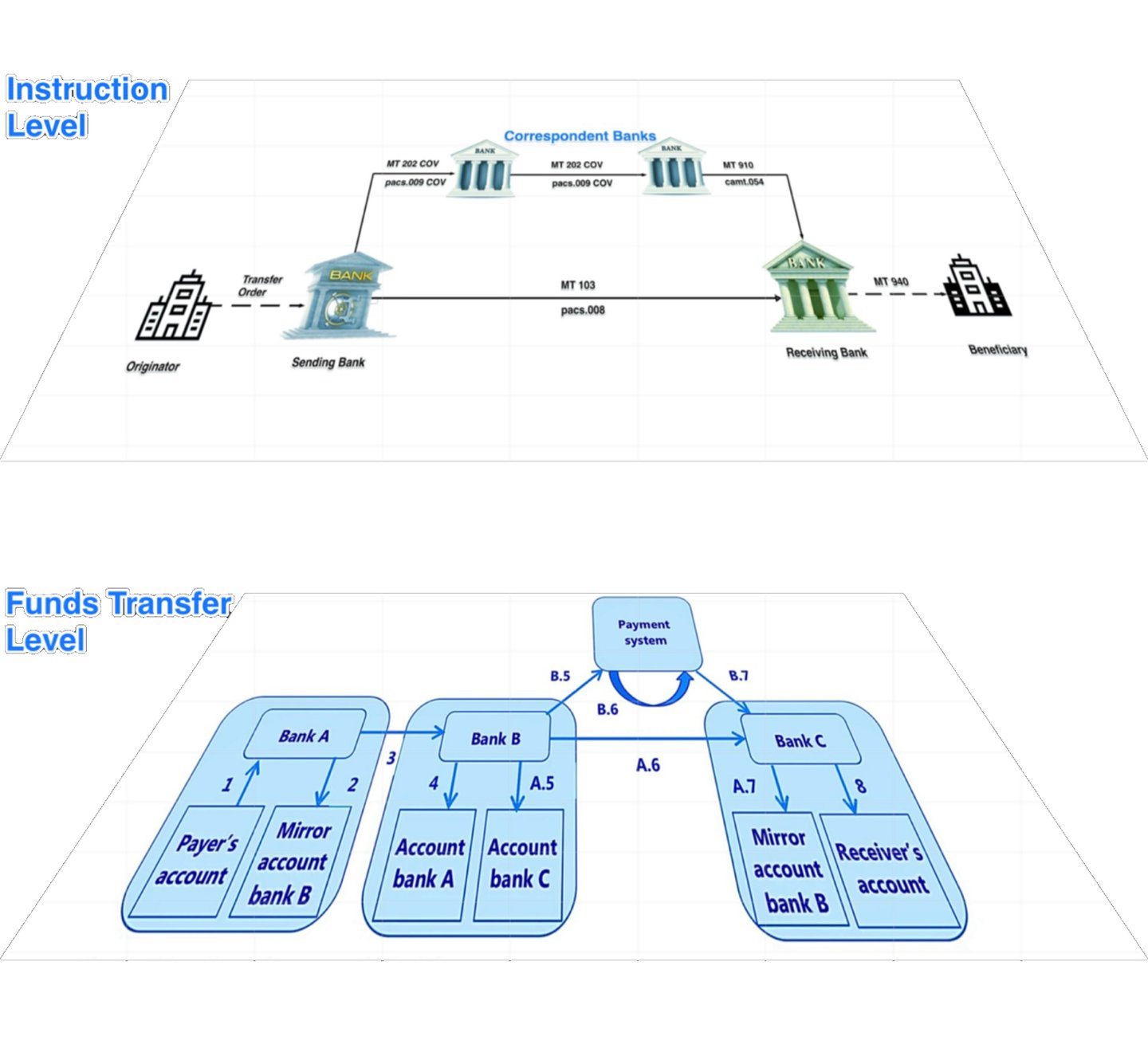
SWIFT provides secure financial messaging. Banks use messages to communicate payment instructions and other financial information. SWIFT is not a bank account containing the amount stated in a message.
A payment instruction may identify the sender, beneficiary, amount and other transaction details. A tracking reference can assist participating institutions in locating the payment. Neither the instruction nor its reference gives an outside “receiver” authority to debit the sending bank or obtain the amount named in the message.
Electronic copies of genuine messages can, of course, be saved or downloaded for recordkeeping. That is a download of information. It does not repeat the payment, release a suspended amount, or create a credit at another institution.
If someone claims that an MT103, ISO 20022 message, UETR or “SWIFT server balance” awaits manual download, ask a simpler question: Has the purported receiving bank independently identified an incoming payment and credited the intended account? A PDF, screenshot or message supplied by the counterparty cannot answer that question on the bank’s behalf. Payment status and any impediment must be checked through the institutions involved, using their established channels.
Why DTC records do not create “downloadable currency”
The Depository Trust Company, or DTC, provides infrastructure for the custody and settlement of securities. A securities position is a record of an interest held through the relevant participant and custody chain. It is not a cash file that a beneficiary bank can import.
A genuine sale, redemption or distribution may produce a cash obligation. That obligation is processed through the participating firms, settling banks, mainly Fedwire and CHIPS, and applicable settlement arrangements. There must be an identifiable security or transaction, a party entitled to its proceeds, and a legitimate route for those proceeds to reach the beneficiary.
A screen labelled “DTC funds”, an ISIN or CUSIP, or a purported DTC reference does not establish that cash is available to a stranger for withdrawal. If the underlying claim concerns securities, verification starts with the holder’s custodian or participant and the actual transaction records. A demand for a bank with “DTC download capability” bypasses the institutions that would have to deliver and settle a genuine transaction.
The point at which the story breaks
The same test applies whether the alleged source is a card, bank account, SWIFT message, cloud server or securities platform:
- Identify the asset. Is it a deposit claim, available credit, a payment in progress, a security, or merely data displayed on a screen?
- Identify the institution responsible for it. Which bank, card issuer, custodian or participant maintains the authoritative record?
- Establish entitlement and authority. Who owns the asset or may instruct the institution? What mandate, contract or authenticated instruction supports this specific payment?
- Identify the transaction route. Which participating institutions and established payment or settlement arrangements will process it?
- Verify the result independently. Can the receiving institution confirm the transaction and the credit in its own systems?
A promoter who cannot answer these questions may offer instead a receiver agreement, a “download slot”, a proprietary portal, an access code, a percentage split, or a fee for activation. Those items do not establish ownership, payment authority or settlement. The more extraordinary the balance shown, the more important it is to obtain confirmation from the institution that supposedly maintains it.
Do not give such a promoter online banking credentials, card security data, one-time authentication codes or remote access to a device. Those credentials may enable an actual unauthorised transaction. They do not enable a legitimate receipt of fictitious “cloud funds”.
The practical distinction is precise: financial information can be displayed, copied and downloaded. A valid claim to money must be established, and its transfer must be authorised, processed and recorded by the institutions responsible. Downloading the information does not transfer the money.
Other Stories Built Around a Supposed “Funds Download”
The word download changes meaning as the story changes. Sometimes it refers to a genuine computer action, such as obtaining a statement or importing payment data. Sometimes it conceals a proposed debit, securities transaction or cryptocurrency transfer. The fraud arises when a person presents the computer action as though it itself moves the underlying value.
“The money is on a global or central-bank server”
The promoter claims that funds are parked on a “global server”, “central-bank screen”, “sovereign platform” or other restricted system. A receiving bank supposedly needs a special terminal, access level or code to retrieve them.
Central banks do operate payment systems and maintain accounts for eligible institutions. That does not mean a private party can nominate an arbitrary receiving bank to pull an alleged balance from them. A genuine central-bank-money payment is made between eligible participants under the system’s rules. The sending institution must submit an authorised payment order, and the relevant accounts must actually be debited and credited. A photograph of a screen, even one bearing a central bank’s name, establishes none of these events.
“The funds are sitting in Fedwire, T2 or another clearing system”
This version places the money “inside” a named payment rail and says a receiver must download it before it expires. It exploits a real distinction: a payment can be instructed, processed and settled at different stages.
Fedwire and T2 are genuine systems through which eligible institutions settle payments. They are not public storage lockers containing funds for whoever presents a reference number. If a payment has settled to the receiving participant, that participant can investigate it through its own records. If it has not settled, an external operator cannot manufacture settlement by downloading a message. The purported sending and receiving institutions, payment reference and actual account entries must be identified.
“It is in a correspondent bank’s common account”
Cross-border payments can involve correspondent banks and accounts maintained between institutions. A fraudster turns this operational fact into a claim that a vast, unidentified balance is waiting in a “common”, “omnibus” or “nostro” account for manual extraction.
An institution’s correspondent account is subject to its own legal ownership, records and operating instructions. A beneficiary’s entitlement to a payment does not arise merely because someone names that account. The banks concerned must identify the particular payment, its authorised sender, its settlement route and the beneficiary to whom it is payable. A third-party “receiver” cannot select an amount from a correspondent’s aggregate balance.
“Connect the two bank servers and pull the funds”
The proposed solution may be called server-to-server, IP-to-IP, host-to-host, API-to-API or ledger-to-ledger. The promoter asks the receiving bank to supply an IP address, endpoint, receiving code or technical team so that one system can “push” or “download” the balance.
Banks can legitimately exchange data and instructions over secure technical connections. An API can initiate a payment where its user has the necessary authority and the participating institutions support the service. A ledger can record transactions. The connection is a communication channel; it is not, by itself, a source of money or a grant of authority over another institution’s accounts. Any real transfer still requires a defined account or asset, authorised instructions, institutional acceptance and a workable settlement arrangement.
“The payment file is ready for upload”
The fraudster offers a CSV, XML, JSON or other file said to contain funds. A bank is asked to import it, “inject” it into its core system or run a script that will credit the beneficiary.
Payment files are instructions or records. Banks routinely import legitimate payment files from authorised customers, subject to authentication, validation, funding and processing controls. Uploading a file containing the number 100,000,000 does not provide £100 million, €100 million or $100 million to fund the instructions. A forged payment file can be formatted correctly and still lack a valid originator, authority or available balance.
The same applies to a downloaded statement. It can assist reconciliation; it cannot be re-uploaded elsewhere to recreate the balance shown on it.
“Release the suspended, blocked or pending transfer”
A promoter presents a reference number or screen labelled pending, blocked, held, compliance, manual intervention or unreleased. The alleged solution is a download fee, receiver’s acceptance, special software or a banker who can “clear” the entry.
Real payments can be delayed or rejected, and banks do conduct sanctions and fraud checks. The institution actually handling the payment determines its status and what further information, if any, it requires. An outside party cannot prove that funds exist by assigning them a status on its own portal. A beneficiary should obtain the status from its own bank; the sender should obtain it from the sending institution. Neither should pay a purported technical intermediary to convert an unverified screen into a deposit.
“Download the balance from a trading or custody platform”
A portfolio screen may show cash, securities, investment returns or a redemption amount. The promoter claims that a bank can download the whole displayed value into a current account.
The first question is what the figure represents. Market value is not cash. A securities holding may have to be sold, redeemed or used in a separately agreed financing transaction. A pending sale has to settle. Cash shown at a broker or custodian can be withdrawn only by an entitled account holder through that institution’s authorised processes, subject to the account terms. A platform screenshot is not a payment instruction, a custody confirmation or proof of withdrawable proceeds.
“Import a cryptocurrency wallet and recover its balance”
This claim contains a particularly dangerous partial truth. A cryptocurrency wallet application can import a valid private key or recovery phrase and then display and control assets associated with it. The assets are recorded on the relevant blockchain; they are not stored inside the downloadable wallet app.
A public address, transaction hash, block-explorer page or screenshot does not grant control over the assets it displays. A genuine private key or recovery phrase can grant control, which is precisely why it must never be supplied to a supposed receiver, recovery agent or verification portal. Importing someone else’s secret credentials without authority is not a legitimate funds-receipt method. Where assets are held with an exchange or other custodian, withdrawals must instead be authorised through that custodian’s controls.
“Convert an allocation, guarantee or certificate into cash”
Some promoters replace the supposed account balance with a document: an “allocation certificate”, proof of funds, guarantee, letter, bond or other claimed financial instrument. A receiving bank is told to download or “activate” the document’s face value.
A document may evidence a claim, an obligation, a security or nothing at all. Its face amount is not automatically an available cash balance. The issuer, beneficiary, governing terms, authenticity, transferability and enforceability must be established. If payment is due, the obligor must pay through an actual payment route. If an asset is to be sold or financed, a counterparty must independently agree to the transaction. Uploading the document cannot compel a bank to credit its stated amount.
“The test download worked; now pay to release the main tranche”
A small credit, animated progress bar or “successful test” is offered as proof that a much larger balance can be downloaded once a fee is paid. The small credit may be an unrelated transfer, a reversible payment, the victim’s own money returned in part, or merely a fabricated screen.
The test proves only what can be verified in the receiving bank’s records. It does not establish ownership or availability of a separate large balance. Each proposed tranche requires its own identifiable payer, authority, transaction and settlement. A promised return of a fee from the first tranche cannot cure the absence of those facts.
A single verification rule for every version
Ask the promoter to identify the institution that maintains the authoritative record, the person legally entitled to give instructions, the exact transaction being proposed and the institutions that will process and settle it. Verify those points independently through the institutions’ established contact channels.
The decisive event is an authorised and verifiable change in the relevant accounts or asset records. A downloaded file, message, wallet application, screen image or certificate may describe that event. It cannot replace it.
The Fallacy of Virtual Screens and Coloured Displays: Beyond Digital Deception
The common myth about black, magenta, blue, or yellow screens displaying enormous sums—often in fantastical numbers running into millions, billions, or even trillions—presents a dangerous and deliberate misrepresentation. These visual representations often appear in schemes aimed at deceiving individuals into believing they have access to untold riches. The illusion of wealth is carefully crafted with images of screens filled with zeros, virtual numbers, and mysterious clearing codes, all purporting to be linked to vast financial holdings.
However, legitimate financial institutions do not display funds in such formats. Bank balances are not represented through arbitrary screen colors or linked to obscure server addresses. Rather, all legitimate financial transactions are executed and tracked through accredited banks using internationally recognized systems, including IBAN (International Bank Account Numbers), BIC (Bank Identifier Codes), and verified SWIFT codes. The numbers on those fraudulent screens are nothing more than digital illusions—fabricated entries with no actual backing in any financial institution.
These screens are tools of manipulation. Their use in schemes suggests that, with the correct access code or server link, the observer could somehow unlock the riches displayed. Yet, upon scrutiny, these claims fall apart. No legitimate financial transaction ever takes place in such a manner, and no reputable financial institution would display wealth using vague color-coding systems on virtual screens.
Fraudulent Schemes Using Virtual Screens: The Mechanics of Deception
These myths are often propagated by individuals or organizations preying on desperation, greed, or lack of financial literacy. Promoters of these schemes claim access to private bank servers or proprietary platforms where cloud funds can be "activated" or unlocked. They may even use jargon such as “ledger entry,” “block allocation,” or “BIS clearing code” to sound authoritative, though these terms are almost always misused.
In many cases, these schemes request up-front payments in exchange for access to these so-called funds. Victims are lured into providing personal information, wire transfers, or other resources, only to be left with nothing when they discover the funds were fictional from the outset. These frauds prey on those unfamiliar with the realities of banking infrastructure, and in their wake, they often leave financial ruin and lost trust.
Cryptocurrency Conversion and the Myth of Unrestricted Wealth
With the rise of cryptocurrencies, the myth of converting cloud funds into blockchain-based assets like Ethereum has also taken root. Some proponents of these schemes suggest that while these virtual funds cannot be accessed in traditional banks, they can be converted into cryptocurrency and subsequently used for transactions in the digital economy.
This is where the fallacy grows even more dangerous. Cryptocurrencies, though decentralized, rely on transparent blockchain networks where all transactions are publicly verifiable. These networks require mining or staking—processes rooted in cryptographic proof—for the validation of transactions, making it virtually impossible for imaginary or unbacked funds to be inserted into the system. While cryptocurrencies may seem more flexible than fiat currencies, they still adhere to strict rules of validation and ledger integrity.
Any attempt to "convert" cloud funds into cryptocurrency would fail under the scrutiny of the blockchain’s verification mechanisms. Only assets that are legitimate, verified, and recorded on the blockchain ledger are tradable. Any claim that large, unverifiable sums can be seamlessly converted into Ethereum or Bitcoin is not only false but also an invitation into the world of financial fraud.
The Role of Central Banks and Clearinghouses: The Reality Behind Money Creation
A significant part of the myth revolves around central banks and the idea that private actors can interact with systems like the Federal Reserve, the European Central Bank (ECB), or even the BIS to move these imaginary cloud funds. The idea that central banks are involved in downloading, transferring, or clearing such funds is categorically incorrect.
Central banks regulate the money supply but do not function as personal transaction processors for private individuals or shadowy institutions. Their role in the global financial system is to ensure stability, manage inflation, and control the monetary base. While they do have the ability to create money, this is done through carefully calibrated monetary policies, not by engaging with mysterious cloud-based servers.
The Bank for International Settlements, often mentioned in these myths, plays a specific role in facilitating international monetary cooperation and providing banking services to central banks. However, the BIS is not involved in the direct transfer of private funds and certainly does not "clear" large amounts of imaginary money from private servers. All legitimate transactions processed through the BIS or central banks are tied to verifiable financial institutions and adhere to strict international regulations.
Disentangling Fact from Fiction
The myth of downloading funds from the cloud—whether through virtual screens, private servers, or fraudulent clearing codes—is an elaborate fiction. While the idea of untold wealth available at the push of a button may seem appealing, the reality is far more complex. Funds are governed by legal frameworks, secured by institutions, and subject to verifiable checks. The colorful screens and fantastical sums presented in these schemes are nothing more than digital mirages, designed to ensnare those unfamiliar with the workings of real financial systems.
To navigate today’s financial landscape, one must rely on knowledge, skepticism, and a deep understanding of how money is created, moved, and regulated. Money, whether physical or digital, does not float in the cloud, waiting to be downloaded—it exists within the very real, tightly controlled world of banking infrastructure. Understanding this distinction is the key to avoiding the traps set by those who would perpetuate the myth of cloud funds.
Do you still have questions?
Please book a Zoom Videoconference here: